Automate the Work Your Team Shouldn't Be Doing
High-volume. Rules-based. Repetitive. If your team does it the same way every time, a Digital Assistant can do it faster, without errors, and without stopping.

The Right Fit for
High-Volume, Rules-Based Work
Every business has processes that are entirely predictable: the same steps, in the same order, using the same systems, every time. These are exactly the processes RPA was built for.
Robotic Process Automation uses Digital Assistants to execute structured, rules-based workflows across your existing applications with no coding required, no system replacement, and no disruption to how your team works.
Where RPA Delivers the Most Value
RPA works best on processes that are repetitive, consistent, and time-consuming. If your team is doing the same task more than a handful of times per day, it's a candidate for automation.
Accounts Payable and Receivable
- •Invoice processing
- •Payment matching
- •Reconciliation and statement generation
- •Handled automatically without manual re-entry
Order Processing
- •Order entry
- •Status updates
- •Fulfillment coordination and confirmation emails across disconnected systems
Payroll and HR Administration
- •Timesheet processing
- •Onboarding data entry
- •Benefits enrollment and compliance reporting
Reporting and Data Aggregation
- •Pulling data from multiple systems
- •Formatting reports and distributing them on schedule, without anyone doing it manually
System-to-System Data Transfer
Moving data between platforms that don't natively integrate:
- •ERP to CRM
- •Spreadsheet to database
- •Portal to internal system
Compliance and Audit Preparation
- •Logging
- •Extracting and formatting records required for audits or regulatory submissions
Valenta Builds it and
Runs it on Your Behalf
You don't manage Digital Assistants. You don't maintain licenses. You don't deal with what happens when a process changes.
Valenta designs, builds, deploys, and operates your RPA workflows as part of the managed service. When your process changes, we update the automation. When an exception occurs, it's routed appropriately. When you want to add a new workflow, we scope and build it.

Fast to Deploy. Immediate in Impact.
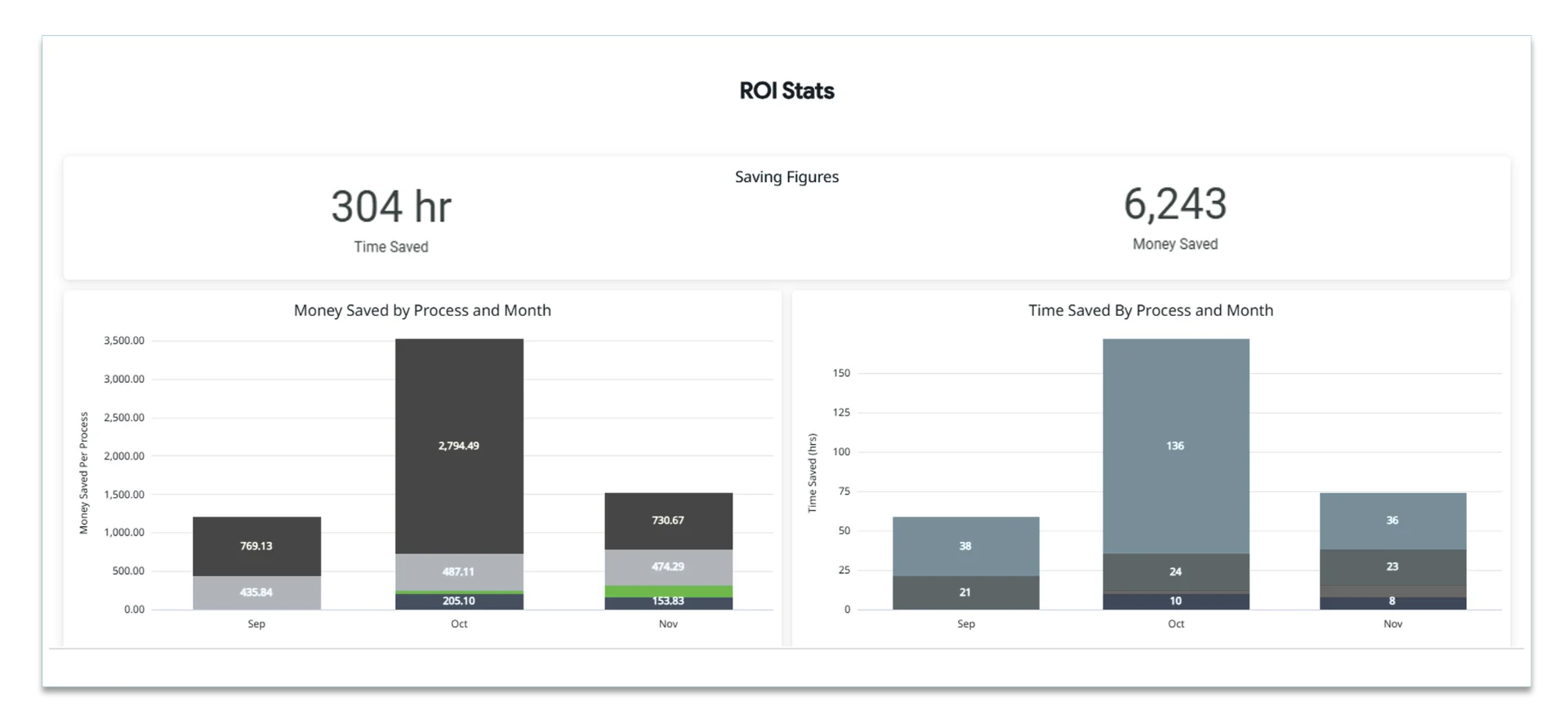
RPA is typically the fastest category of automation to deliver value. Most workflows can be live within weeks of the initial assessment, with measurable results visible from day one.
- •Processes that took hours take minutes
- •Error rates drop to near zero on automated tasks
- •Staff time freed for work that actually requires their judgment
- •Full audit trail on every transaction the Digital Assistant touches
Client Spotlight Deutsche Leasing


Reduction in file handling time
Per file
Robotic Process Automation FAQ
Robotic Process Automation is a technology that uses software to mimic the actions a person would take when interacting with digital systems — logging in, copying data, filling forms, generating reports, and moving information between applications. RPA is best suited to structured, rule-based, high-volume processes that are performed the same way every time. It is not AI, but it can be combined with AI capabilities to handle more complex workflows.
RPA works best on processes that are repetitive, rule-based, and performed at scale. Common examples include accounts payable and receivable processing, invoice matching and reconciliation, order entry and status updates, payroll and HR data processing, report generation and distribution, and data transfer between systems that don't natively integrate. If your team performs the same steps in the same order more than a handful of times per day, it is likely a strong RPA candidate.
Yes. RPA works at the user interface level, meaning it interacts with applications the same way a human would — without requiring API access or system modifications. This makes it compatible with virtually any application your team currently uses, including legacy systems that don't have modern integration capabilities. Valenta designs automations specifically around your existing technology stack.
RPA executes processes with near-zero error rates on the tasks it is configured to handle. Unlike manual processing, it does not make transcription errors, skip steps, or vary in output based on fatigue or distraction. For processes where accuracy is critical — reconciliations, compliance reporting, data entry — this typically represents a significant improvement over current error rates. Exceptions and edge cases are routed to human reviewers, ensuring that items outside the automation's parameters are still handled correctly.
RPA is typically the fastest category of automation to deploy. Most Valenta clients have their first RPA workflow live within two to four weeks of the initial process assessment. The timeline depends on the complexity of the process, the number of systems involved, and the availability of your team for testing and sign-off. Valenta manages the entire build and deployment process, minimizing the demand on your internal resources.
Start With the Right Process
Not every process is the best place to start. Our Automation Assessment identifies your highest-impact RPA opportunity first, so you see results quickly and build confidence for what comes next.
Book Your Complimentary Automation Assessment→